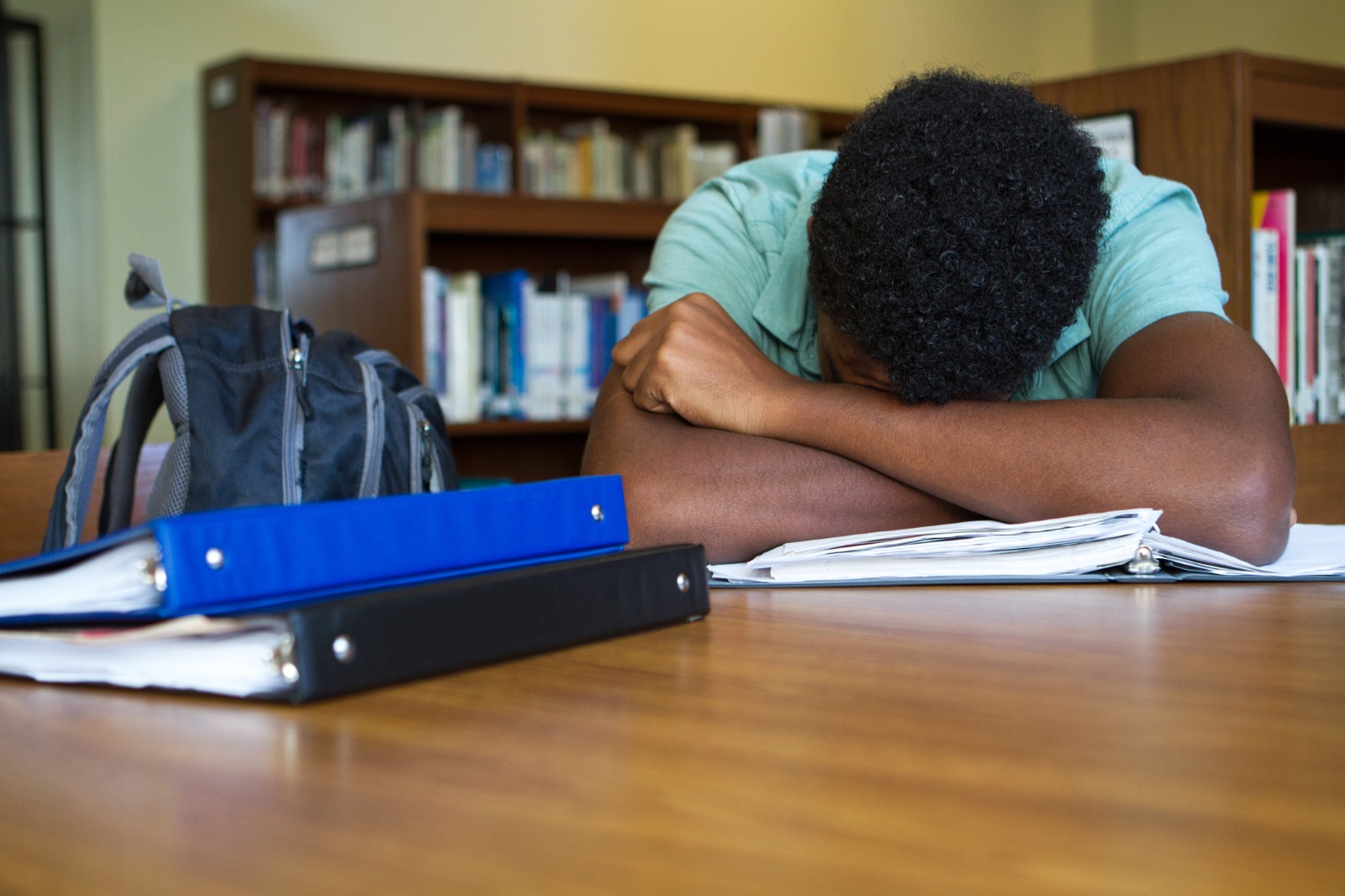
If there’s one thing many parents and educators overlook when discussing teenage school performance, it’s sleep. Not intelligence, not discipline, not even motivation—but sleep. Yet, behind declining grades, poor concentration, irritability, and lack of focus, there is often a quiet culprit: exhaustion.
Teenagers today are navigating a complex world—academic pressure, social expectations, digital distractions, and emotional changes—all while their bodies are going through rapid development. What many don’t realize is that their brains are also rewiring, and this process heavily depends on quality sleep. When a teen doesn’t get enough rest, it’s not just about feeling tired the next day. It directly affects memory, decision-making, attention span, and even emotional regulation.
A well-rested teen is more likely to stay alert in class, retain information better, and approach tasks with clarity. On the other hand, a sleep-deprived teen may struggle to concentrate, forget what they studied, or feel overwhelmed by even simple assignments. It’s not a matter of laziness—it’s biology. Sleep is when the brain processes and stores information learned throughout the day. Without it, learning becomes incomplete.
One of the biggest challenges is that teenage sleep patterns naturally shift. Their internal body clock pushes them to fall asleep later at night, yet they are still expected to wake up early for school. This mismatch creates a cycle of chronic sleep deprivation. Add late-night phone use, social media scrolling, or studying under pressure, and the problem becomes even more pronounced.
But improving sleep doesn’t require perfection—it requires consistency. Simple routines can make a powerful difference. Encouraging teens to wind down at the same time each night, reducing screen exposure before bed, and creating a calm, low-stimulation environment can help signal to the brain that it’s time to rest. Even small habits, like dimming lights or avoiding intense conversations late at night, can support better sleep patterns.
Equally important is understanding that sleep is not a reward—it’s a necessity. Many teens sacrifice sleep in the name of productivity, staying up late to study or finish assignments. Ironically, this often leads to poorer academic outcomes. A tired brain cannot perform at its best, no matter how many hours are spent trying.
Read more on “Setting Goals without Pressure: Choosing Progress over Perfection.”
Parents also play a crucial role. Creating a home environment that values rest, setting reasonable boundaries around screen time, and having open conversations about stress and workload can help teens prioritize their well-being. It’s not about control—it’s about guidance.
In the end, better sleep is not just about better nights—it’s about better days. When teens are well-rested, they show up differently. They think more clearly, learn faster, manage emotions better, and engage more confidently with the world around them.
So before we question a teen’s effort or ability, it’s worth asking a simpler question: are they getting enough sleep? Because sometimes, the key to better performance in school isn’t more pressure—it’s more rest.
Need more tips on how to create a healthy sleep routine for your pre-teen or teenager? Don’t miss our upcoming Mzazi Talk with sleep consultant Anisa Shariff, going live on 3rd April, 2026 from 12:00 pm (GMT+3).